Can Dogs Survive Cancer? Griffin’s Story Gives Hope
Cancer remains one of the most devastating diseases for both humans and animals. While veterinary medicine has made great progress in recent years, many forms of canine cancer are still extremely difficult to treat. Surgery, chemotherapy, and radiation are the most common options — but they’re expensive, stressful for the dog, and don’t always work.
That’s why researchers are constantly looking for new, more effective ways to fight cancer in dogs. And one incredible case out of Brisbane, Australia, may have just changed everything.
Meet Griffin: A Beloved Family Dog Facing a Grim Diagnosis
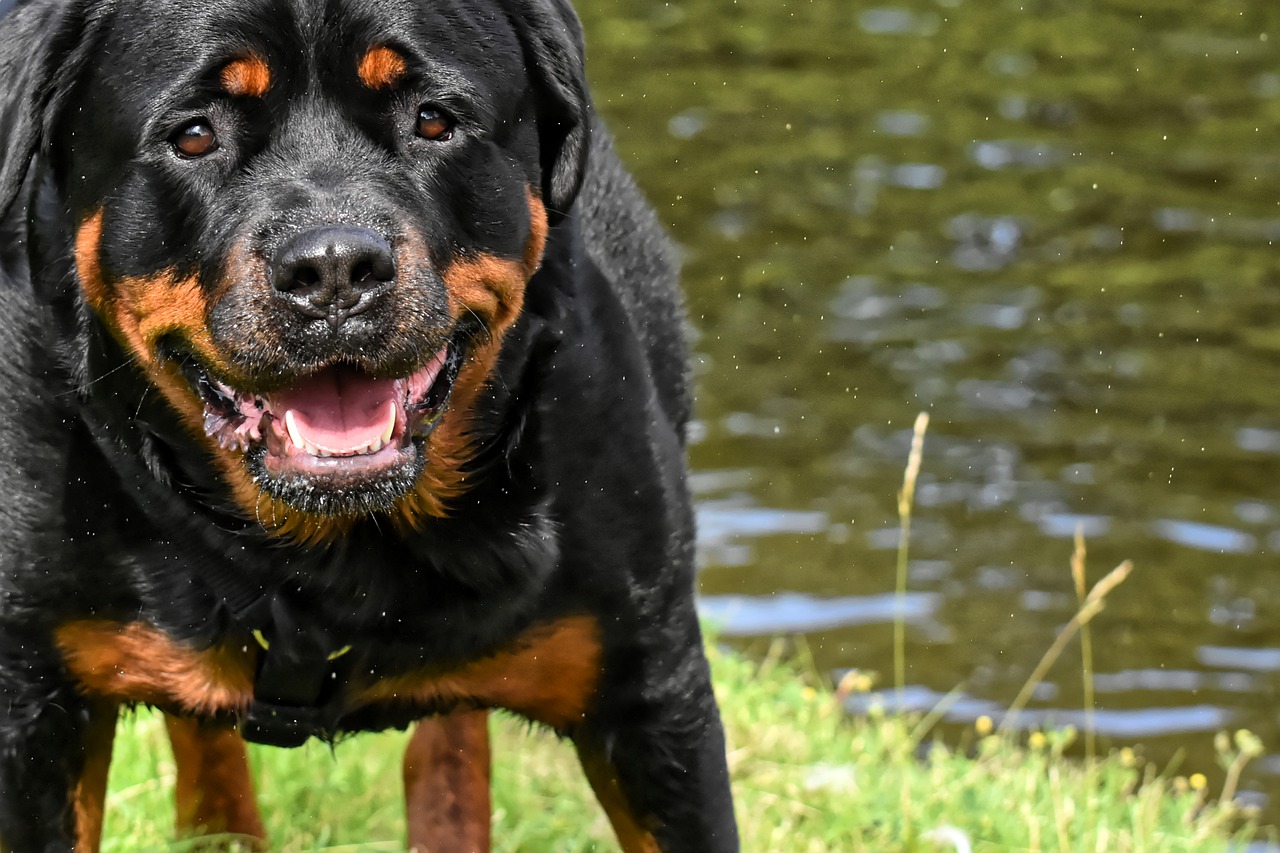
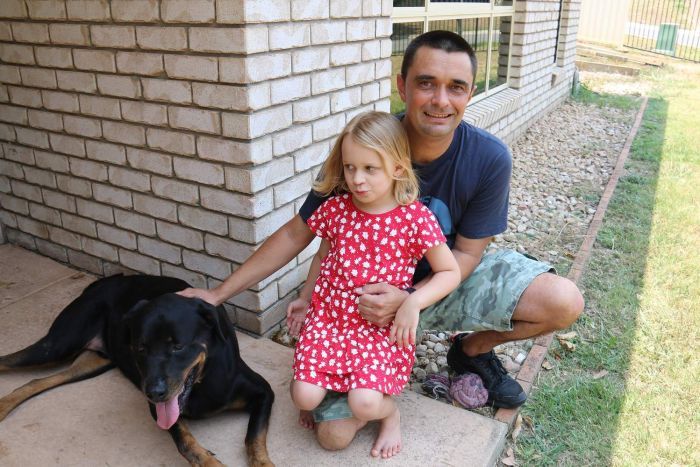
Griffin is a much-loved member of the Johnson family. But months ago, the family received heartbreaking news: Griffin had been diagnosed with cancer.
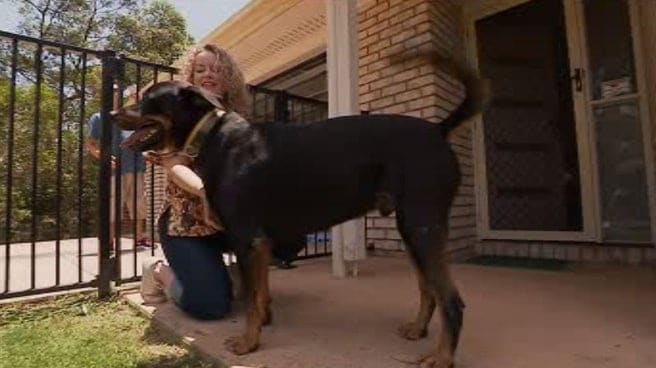
When veterinarians performed surgery to remove a tumor, they discovered eleven additional lumps throughout his body. Dr. Annika Oksa, the veterinarian overseeing Griffin’s care, delivered a devastating prognosis — Griffin had just three months to live.
The cancer was extremely aggressive. For Griffin’s owner, Adam Johnson, and his children, it seemed like they were about to lose their beloved companion. Traditional treatment options were running out fast.
The Experimental Cancer Vaccine That Changed Everything
With nothing left to lose, Adam and his veterinary team decided to try something bold: an experimental cancer vaccine specifically tailored to Griffin.
Here’s how the groundbreaking treatment worked:
- Tumor tissue was extracted from Griffin’s body during surgery.
- Scientists used that tissue to create a personalized vaccine designed to target Griffin’s specific cancer cells.
- The vaccine was then injected back into Griffin, training his immune system to recognize and attack the cancer.
The results were nothing short of remarkable. After just eight weeks, every single tumor in Griffin’s body had disappeared. The experimental treatment was a massive success.
What This Means for the Future of Canine Cancer Treatment
Griffin’s case represents a potentially major breakthrough in how we treat cancer — not just in dogs, but possibly in humans too. Personalized cancer vaccines, also known as autologous tumor vaccines, work by using the patient’s own cancer cells to stimulate an immune response. This approach is already being studied in human oncology, and Griffin’s success adds powerful evidence to support further research.
However, experts caution that more testing is needed before this treatment can become widely available. Additional animal trials will need to confirm the results, and eventually, human clinical trials may follow.
For now, this experimental procedure offers a glimpse of hope for pet owners whose dogs face aggressive cancer diagnoses.
A Happy Ending for the Johnson Family
For Adam Johnson and his children, the science is secondary. What matters most is that Griffin is still with them — happy, healthy, and tumor-free.
Stories like Griffin’s remind us why continued investment in veterinary cancer research is so important. Every dog deserves a fighting chance.
Credits: ABC News (Australia)