How to Stop a Dog from Chewing Furniture (7 Proven Methods)
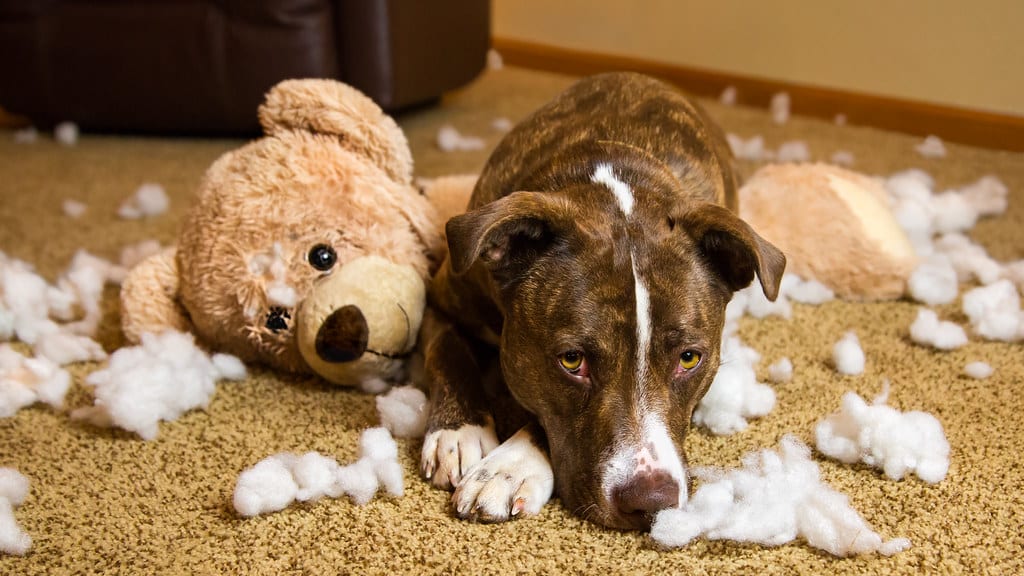
Coming home to shredded couch cushions and gnawed table legs is every dog owner’s nightmare. Understanding how to stop a dog from chewing furniture starts with figuring out why your dog is doing it in the first place. Whether it’s boredom, anxiety, teething, or simply a lack of training, destructive chewing is a solvable problem. Here are seven methods that actually work.
Why Dogs Chew Furniture
Chewing is a natural behavior for dogs, but when it’s directed at your belongings, something is off. Puppies chew because they’re teething and their gums hurt. Adult dogs chew out of boredom, anxiety, or excess energy. Senior dogs may chew due to cognitive decline or dental discomfort.
Separation anxiety is one of the most common reasons for destructive chewing. If the damage only happens when you’re away, anxiety is likely the cause. Dogs that lack mental stimulation or physical exercise also turn to furniture because they need an outlet.
7 Proven Methods to Stop Destructive Chewing
1. Provide Appropriate Chew Toys
Replace forbidden items with approved alternatives. Durable chew toys, Kongs stuffed with peanut butter, and bully sticks give your dog a legitimate outlet. Rotate toys every few days to keep them interesting.

2. Exercise Your Dog Before Leaving
A tired dog is a well-behaved dog. Aim for at least 30 to 60 minutes of vigorous exercise before you leave the house. A long walk, fetch session, or run can drain the energy that would otherwise be directed at your sofa.
3. Use Bitter Apple Spray
Bitter-tasting deterrent sprays make furniture taste unpleasant without harming your dog or your furniture. Apply the spray to common chewing targets like chair legs, baseboards, and couch corners. Reapply every few days until the habit breaks.

4. Crate Train Properly
When you can’t supervise, a crate keeps your dog — and your furniture — safe. Make the crate a positive space with treats, toys, and a comfortable bed. Never use the crate as punishment.
5. Address Separation Anxiety
If chewing only happens when you’re gone, anxiety is the root cause. Start with short absences and gradually increase the duration. Leave a piece of clothing that smells like you. In severe cases, consult a veterinary behaviorist about medication or specialized training.
6. Redirect and Reward
When you catch your dog chewing furniture, calmly redirect them to an appropriate toy. The moment they engage with the toy, praise them enthusiastically and offer a treat. Consistency is everything — every family member must follow the same approach.
7. Increase Mental Stimulation
Puzzle feeders, training sessions, and scent games challenge your dog’s brain. A mentally stimulated dog is far less likely to chew out of boredom. Even 15 minutes of obedience training can tire a dog out more than a walk.
What NOT to Do
Never punish your dog after the fact. If you come home to a chewed sofa, your dog won’t connect the punishment to the behavior — they’ll only learn to fear you. Yelling, hitting, or rubbing their nose in the damage does nothing to stop chewing furniture and damages your relationship.
Also avoid giving old shoes or socks as toys. Your dog cannot tell the difference between an old shoe you donated and the new ones in your closet.